
Learning figurative language can be exciting when students have the right visual tools. A figurative language anchor chart is one of the best classroom resources for helping learners understand literary devices in a simple and memorable way. Instead of reading long definitions, students can quickly see the meaning of each type of figurative language along with clear examples they can remember.
Whether you’re a teacher creating a classroom display, a homeschool parent planning lessons, or a student looking for an easy study guide, a well-designed figurative language anchor chart makes learning more engaging. It serves as a handy reference during reading, writing, and vocabulary activities, helping students recognize figurative language in stories, poems, and everyday conversations.
In this guide, you’ll discover the most important types of figurative language, practical anchor chart ideas, printable inspiration, and classroom tips that make teaching easier. By the end, you’ll have everything you need to create or use an effective anchor chart that supports confident readers and creative writers.
Let me know when you’re ready for the next section: H2: What Is a Figurative Language Anchor Chart? (approximately 250 words).
What Is a Figurative Language Anchor Chart?
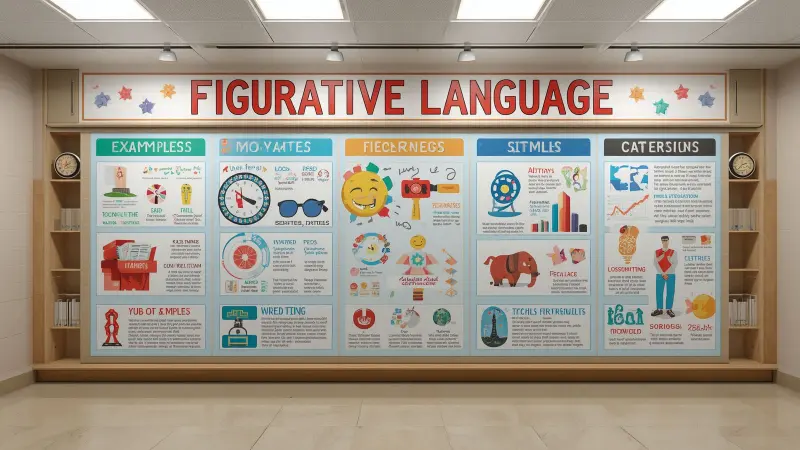
A figurative language anchor chart is a visual teaching tool that helps students understand and remember different types of figurative language. It combines short definitions, simple examples, colorful visuals, and key points in one easy-to-read display. Teachers often place these charts on classroom walls so students can refer to them during reading, writing, and language arts lessons.
Figurative language uses words or phrases that go beyond their literal meaning to create vivid images, express emotions, or make ideas more interesting. Instead of simply telling something, it helps readers imagine, feel, or experience it. An anchor chart breaks these concepts into small, manageable pieces, making them easier for students of all ages to understand.
Most figurative language anchor charts include common literary devices such as similes, metaphors, personification, hyperbole, idioms, onomatopoeia, alliteration, and imagery. Each section usually features a brief definition and a memorable example so learners can quickly recognize the device when they encounter it in books or use it in their own writing.
These charts are useful in elementary, middle school, and even high school classrooms because they provide a constant visual reminder of important language concepts. Students can glance at the chart while completing assignments, analyzing stories, or writing creative paragraphs. This ongoing exposure reinforces learning without requiring them to search through textbooks or notes.
Whether displayed as a large classroom poster, printed as a student handout, or used digitally during online lessons, a figurative language anchor chart is a practical resource that makes figurative language easier to teach, easier to learn, and much more enjoyable for everyone involved.
Benefits of Using a Figurative Language Anchor Chart
A figurative language anchor chart offers many benefits for both teachers and students. It turns complex literary concepts into simple, visual information that students can understand at a glance. Instead of trying to memorize long definitions, learners can quickly review key ideas through colorful examples and organized layouts.
One of the biggest advantages is improved memory. Students are more likely to remember figurative language when they see definitions paired with examples and images. A chart that stays on the classroom wall provides daily reinforcement, helping students recall important literary devices during lessons, homework, and tests.
Another benefit is stronger reading comprehension. As students become familiar with similes, metaphors, personification, and other figures of speech, they can better understand the deeper meaning of stories, poems, and informational texts. This allows them to identify descriptive language, recognize an author’s purpose, and enjoy reading with greater confidence.
Anchor charts also support better writing skills. Students can refer to the chart while creating stories, essays, or poems, making it easier to add vivid descriptions and creative expressions. Over time, they naturally begin using figurative language to make their writing more engaging and expressive.
Teachers appreciate anchor charts because they save time and encourage independent learning. Instead of repeating the same explanations, students can use the chart as a quick reference whenever they need help. This builds confidence and promotes problem-solving in the classroom.
Whether used in a traditional classroom, a homeschool setting, or an online learning environment, a figurative language anchor chart is a valuable teaching resource. It supports visual learning, strengthens literacy skills, and creates an interactive classroom where students can explore language with curiosity and confidence.
Types of Figurative Language Every Anchor Chart Should Include
A well-designed figurative language anchor chart should introduce the most common types of figurative language that students will see in books, poems, and everyday conversations. Including these literary devices in one organized chart gives learners a quick reference whenever they read or write. Each type should have a short definition and a simple example so students can understand the concept without feeling overwhelmed.
The most important type is the simile, which compares two different things using the words like or as. For example, She is as brave as a lion. Another essential device is the metaphor, which makes a direct comparison without using like or as, such as Time is a thief.
A personification gives human qualities to animals, objects, or ideas. A sentence like The wind whispered through the trees helps readers imagine the scene more clearly. Hyperbole uses intentional exaggeration for emphasis, such as I’ve told you a million times.
Your anchor chart should also include idioms, which are phrases with meanings that differ from their literal words. For example, Break the ice means to start a conversation, not to actually break ice. Onomatopoeia uses words that imitate sounds, such as buzz, bang, or splash, while alliteration repeats the same beginning sound in nearby words, like Silly snakes slither silently.
Finally, don’t forget imagery, which uses descriptive language to appeal to the five senses, and symbolism, where an object or idea represents a deeper meaning. Together, these devices help students understand how writers make their language vivid, expressive, and memorable.
Figurative Language Anchor Chart Example
Seeing a complete figurative language anchor chart is one of the easiest ways to understand how it should look in a classroom. A good anchor chart is simple, colorful, and organized so students can quickly find the information they need. Instead of filling the chart with long paragraphs, use short definitions, clear examples, and visual cues that make each literary device easy to remember.
A basic anchor chart can be divided into sections, with each section introducing one type of figurative language. Include the name of the literary device, a one-sentence definition, and an example that students can easily understand. Using different colors for each category also helps students identify concepts more quickly during lessons.
| Figurative Language | Definition | Example |
| Simile | Compares two things using like or as | She runs like the wind. |
| Metaphor | Directly compares two things | The classroom is a zoo. |
| Personification | Gives human qualities to non-human things | The stars danced in the sky. |
| Hyperbole | Uses exaggeration for emphasis | I’m so hungry I could eat a horse. |
| Idiom | A phrase with a figurative meaning | It’s raining cats and dogs. |
| Onomatopoeia | A word that imitates a sound | Buzz, splash, boom |
| Alliteration | Repeats the same beginning sound | Busy bees buzzed by. |
| Imagery | Uses sensory details to create pictures | The warm cookies smelled sweet and buttery. |
Teachers can display this chart on a classroom wall, print smaller copies for student notebooks, or create a digital version for online lessons. A well-organized figurative language anchor chart becomes a daily reference that helps students read with confidence and write more creatively.
How to Create a Figurative Language Anchor Chart
Creating a figurative language anchor chart is simple when you focus on clear information and a student-friendly design. The goal is to make the chart easy to read, visually appealing, and useful throughout the school year. Whether you are teaching in a classroom or homeschooling, a well-planned anchor chart can become one of your most valuable learning tools.
Start by choosing a clear title, such as “Figurative Language” or “Types of Figurative Language.” Next, decide which literary devices you want to include. Most teachers add simile, metaphor, personification, hyperbole, idiom, onomatopoeia, alliteration, imagery, and symbolism because these are the concepts students encounter most often.
Write short, easy-to-understand definitions instead of long explanations. Students should be able to understand each definition in just a few seconds. Pair every literary device with one simple example that clearly demonstrates how it works. Real-life examples are often easier for students to remember than complex sentences from textbooks.
Use different colors, icons, or small illustrations to separate each section. For example, you might use a speech bubble for idioms, a cloud for imagery, or a lightning bolt for hyperbole. These visual elements make the chart more engaging and help students connect ideas more quickly.
Finally, leave a little extra space on the chart so you can add new examples during lessons. Updating the chart with student-created sentences encourages participation and reinforces learning. A colorful, organized figurative language anchor chart not only brightens the classroom but also gives students a reliable reference they can use whenever they read, write, or explore new literary devices.
Best Classroom Anchor Chart Layout Ideas
The layout of your figurative language anchor chart plays a big role in how easily students can understand and remember the information. A clean, organized design helps learners find definitions and examples quickly, while a colorful layout keeps them interested. The best anchor charts balance text, visuals, and spacing so they are easy to read from anywhere in the classroom.
One popular layout is the grid format, where each figurative language type has its own box with a definition and example. This style keeps information organized and allows students to compare different literary devices side by side. Another great option is a color-coded chart, where each category has a unique color. For example, similes can be blue, metaphors green, and personification orange. Color coding helps students recognize each concept faster.
Teachers also enjoy creating interactive anchor charts. These include flaps, sticky notes, or movable cards that students can lift or rearrange during lessons. Interactive elements encourage participation and make learning more memorable. For younger students, adding simple drawings or icons next to each literary device can make abstract ideas easier to understand.
If classroom space is limited, consider using a bulletin board display or a mini anchor chart that students can keep in their notebooks. Digital versions created with presentation software are also useful for online learning or interactive whiteboards.
No matter which layout you choose, keep the information simple and avoid overcrowding the page. A well-organized figurative language anchor chart should be easy to scan, visually appealing, and designed to support students every time they read, write, or review important literary devices.
Printable Figurative Language Anchor Chart Ideas
A printable figurative language anchor chart is a convenient resource for classrooms, homeschool lessons, and independent study. Instead of relying only on a large wall display, teachers can provide every student with a personal copy to keep in a binder, reading folder, or interactive notebook. This makes it easy for students to review important literary devices whenever they need extra support.
One popular option is a full-color printable that includes bright headings, simple illustrations, and easy-to-read examples. Colorful charts are engaging and work well as classroom posters or bulletin board displays. If printing costs are a concern, a black-and-white version is an excellent alternative. Students can color each section themselves, turning the activity into a fun review lesson while helping them remember each literary device.
Another useful idea is a foldable anchor chart. Students cut, fold, and glue the chart into their notebooks, creating a compact reference guide they can use throughout the school year. Editable templates are also helpful because teachers can customize definitions, add classroom examples, or simplify the content for different grade levels.
For digital classrooms, consider creating a printable PDF that students can download or complete online. Interactive versions made with presentation software allow learners to click, type, or drag examples into the correct category. These formats are especially useful for distance learning and homework assignments.
No matter which format you choose, keep the design clean, readable, and visually appealing. A high-quality figurative language anchor chart should be easy to print, simple to understand, and useful enough that students return to it again and again as they strengthen their reading and writing skills.
Grade-Level Figurative Language Anchor Chart Ideas
A figurative language anchor chart should match the age and learning level of the students using it. Younger learners benefit from simple definitions and colorful pictures, while older students are ready for more detailed explanations and challenging examples. Adapting your anchor chart to each grade level helps students build confidence and master figurative language step by step.
For kindergarten through second grade, focus on only a few basic literary devices, such as similes, personification, and onomatopoeia. Use large text, bright colors, and simple illustrations that make each concept easy to understand. Short examples taken from familiar stories or everyday life work best for young learners.
In third through fifth grade, expand the chart by adding metaphors, idioms, hyperbole, alliteration, and imagery. Encourage students to contribute their own examples during class discussions. This interactive approach helps them connect figurative language to their reading and writing activities.
For middle school students, include more detailed definitions and explain how figurative language creates mood, develops characters, and strengthens themes. Use examples from novels, poems, and speeches to show how authors use literary devices for different purposes. Students can also compare similar devices, such as similes and metaphors, to deepen their understanding.
At the high school level, introduce advanced concepts like symbolism, irony, oxymoron, and paradox alongside the foundational literary devices. Discuss how figurative language influences tone, style, and meaning in classic and modern literature.
No matter the grade level, keep your figurative language anchor chart organized, easy to read, and filled with meaningful examples. A chart that grows with students’ abilities becomes a valuable learning tool throughout their language arts journey.
Fun Activities to Use with a Figurative Language Anchor Chart
A figurative language anchor chart becomes even more effective when students use it during hands-on activities. Instead of simply reading definitions, learners can apply each literary device in fun and meaningful ways. Interactive lessons help students remember figurative language longer and make language arts more enjoyable.
One engaging activity is a Figurative Language Hunt. Ask students to read a story, poem, or article and use the anchor chart to identify examples of similes, metaphors, personification, and other literary devices. They can record their findings in a notebook or share them with classmates.
Another popular idea is a Matching Game. Write figurative language terms on one set of cards and examples on another. Students work individually or in small groups to match each example with the correct literary device using the anchor chart as a guide.
A Creative Writing Challenge encourages students to write short paragraphs or poems that include at least three different types of figurative language. Afterward, classmates can identify the literary devices used by referring to the chart. This activity strengthens both writing and critical thinking skills.
Teachers can also organize a Classroom Scavenger Hunt, placing examples of figurative language around the room. Students walk from station to station, identifying each literary device before checking their answers with the anchor chart.
To finish the lesson, use a quick Exit Ticket. Ask students to write one original example of a figurative language device they learned that day. These short activities provide instant feedback and reinforce learning. By using a figurative language anchor chart throughout games, reading, and writing exercises, students become more confident readers and creative writers.
Common Student Mistakes and How to Avoid Them
Learning figurative language takes practice, and many students make similar mistakes when they first begin using different literary devices. A figurative language anchor chart helps reduce confusion by providing clear definitions, examples, and quick reminders that students can reference during class activities and assignments.
One of the most common mistakes is confusing similes and metaphors. Students often think they are the same because both compare two things. Remind them that a simile always uses the words like or as, while a metaphor makes a direct comparison without those words. Adding both examples side by side on the anchor chart makes the difference much easier to remember.
Another frequent error is taking idioms literally. For example, a student might think the phrase “spill the beans” is actually about dropping food, when it really means revealing a secret. Including both the literal and figurative meanings on the chart helps students understand these expressions correctly.
Students may also overuse hyperbole, believing every exaggerated sentence is effective. Teach them that exaggeration should be used for emphasis, not in every sentence. Similarly, some learners confuse personification with simple description. Remind them that personification gives human qualities or actions to animals, objects, or ideas.
Another challenge is recognizing imagery. Students sometimes think imagery only describes what they can see, but it can also appeal to hearing, smell, taste, and touch. Encourage them to look for sensory details in every text they read.
By reviewing these common mistakes with a figurative language anchor chart, students gain a stronger understanding of literary devices and become more accurate, confident readers and writers.
Tips for Teachers to Make Figurative Language Anchor Charts More Effective
A figurative language anchor chart is most effective when it is used as an active teaching tool instead of just classroom decoration. The best charts grow with your lessons and encourage students to interact with the information throughout the school year. With a few simple strategies, teachers can make anchor charts more engaging, memorable, and useful for every learner.
Begin with only a few figurative language devices instead of introducing everything at once. Teaching similes, metaphors, and personification first allows students to build a strong foundation before moving on to more advanced concepts like symbolism or oxymorons. As each new literary device is introduced, add it to the anchor chart so students can see their learning expand over time.
Use examples from books, poems, songs, and everyday conversations that students already know. Familiar examples make abstract ideas easier to understand and help students connect figurative language to real-life situations. Encourage students to suggest their own examples and add the best ones to the chart. This creates a sense of ownership and increases classroom participation.
Keep the chart visible throughout your reading and writing lessons. Refer to it regularly when discussing stories, analyzing poems, or reviewing vocabulary. The more often students use the chart, the more confident they become in recognizing figurative language independently.
Refresh the chart whenever you notice it becoming crowded or outdated. Replace old examples with new ones that match your current reading unit or writing project. A well-maintained figurative language anchor chart remains a valuable classroom resource that supports daily learning, encourages creativity, and helps students develop stronger reading comprehension and writing skills.
Frequently Asked Questions About Figurative Language Anchor Charts
A figurative language anchor chart is a popular teaching resource, so teachers, parents, and students often have questions about how to use one effectively. Below are answers to some of the most common questions.
What is a figurative language anchor chart?
A figurative language anchor chart is a visual learning tool that explains different literary devices using short definitions, simple examples, and colorful designs. It helps students quickly review important concepts during reading and writing lessons.
What should be included in a figurative language anchor chart?
A complete chart should include common literary devices such as similes, metaphors, personification, hyperbole, idioms, onomatopoeia, alliteration, imagery, and symbolism. Each section should have a brief definition and an easy-to-understand example.
Which grade levels can use a figurative language anchor chart?
Anchor charts are suitable for elementary, middle school, and high school students. Teachers can adjust the vocabulary, examples, and level of detail to match the age and learning needs of their students.
Can students create their own anchor charts?
Yes. Creating personal anchor charts is a great classroom activity. Students remember concepts better when they write definitions, choose examples, and decorate their own charts with drawings or color coding.
Are printable anchor charts useful?
Absolutely. Printable versions allow students to keep a copy in their notebooks or study folders. They are also helpful for homework, homeschooling, and online learning.
How often should an anchor chart be updated?
Update your figurative language anchor chart whenever you introduce a new literary device or discover stronger examples. Keeping the chart current ensures it remains a useful reference that supports student learning throughout the school year.
Your outline now has all of its major sections completed. The only remaining part is the Conclusion (150–180 words) to wrap up the article with a strong, SEO-friendly ending.
Conclusion
A figurative language anchor chart is more than just a colorful classroom decoration. It is a practical learning tool that helps students understand literary devices in a simple, organized, and memorable way. By combining short definitions, clear examples, and eye-catching visuals, an anchor chart makes difficult language concepts easier to learn and apply in everyday reading and writing.
Whether you are teaching young learners, middle school students, or high school classes, an anchor chart can support every stage of the learning process. Students can use it as a quick reference while reading stories, analyzing poems, completing assignments, or writing their own creative pieces. Over time, regular exposure to figurative language helps learners recognize patterns, improve reading comprehension, and express their ideas with greater creativity and confidence.
The best figurative language anchor charts are interactive and continue to grow throughout the school year. Add new literary devices, replace old examples with fresh ones, and encourage students to contribute their own sentences. This collaborative approach keeps lessons engaging and helps students take ownership of their learning.
Remember that every classroom is different, so feel free to customize your chart to match your students’ age, ability level, and curriculum. A simple design with meaningful examples is often more effective than a chart filled with too much information.
With the ideas, examples, and teaching strategies shared in this guide, you can create a figurative language anchor chart that becomes a trusted classroom resource. It will not only make figurative language easier to teach but also inspire students to become stronger readers, more creative writers, and more confident communicators for years to come.