A broken nose & how to know if your nose is broken, medically known as a nasal fracture is one of the most common facial injuries, whether it happens on the sports field, in a car accident, during a fall, or from an unexpected knock in everyday life. Because the nose sits front and center on the face, even a moderate impact can crack the delicate bone and cartilage that give it shape.
The tricky part is that a broken nose doesn’t always look dramatic right away. Swelling can mask a deformity, and pain from a bad bruise can feel just as intense as pain from an actual fracture. This makes it hard to know, in the moment, whether you’re dealing with a simple bump or something that needs medical attention.
Knowing the signs and understanding the treatment window can make the difference between a quick recovery and long-term complications.
Anatomy Basics
The nose isn’t a single solid structure it’s a combination of bone and cartilage working together, and each part reacts differently to trauma.
The upper third of the nose, near the bridge, is made of two small nasal bones. These sit close to the skull and are relatively thin, which makes them prone to fracturing on direct impact. This is the area most people picture when they think of a “broken nose.”
The lower two-thirds of the nose including the tip and the sides of the nostrils is made of flexible cartilage rather than bone. Cartilage doesn’t fracture the way bone does; instead, it can bend, tear, or separate from surrounding tissue. This is why some nose injuries cause visible deformity without an actual bone break. how to know if your nose is broken
Running through the center of the nose is the septum, a wall of cartilage and thin bone that divides the two nostrils. The septum is especially vulnerable to injury. A hard hit can shift it out of place (a deviated septum) or, in more serious cases, cause bleeding underneath the cartilage lining, known as a septal hematoma a condition that needs prompt treatment to prevent lasting damage.
Common Causes
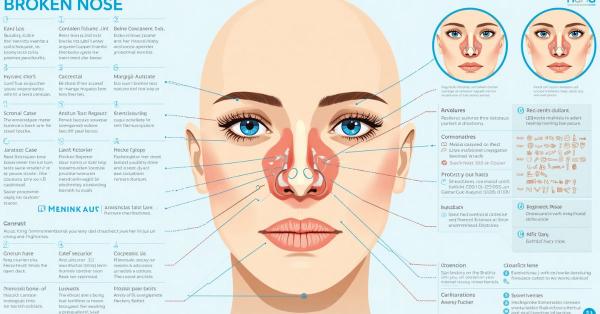
Nasal fractures can happen in almost any situation involving impact to the face, but a few causes stand out as the most frequent.
Sports injuries are among the leading culprits, especially in contact sports like basketball, football, hockey, boxing, and martial arts.
Falls are another major cause, affecting people of all ages. Young children learning to walk, older adults with balance issues, and anyone who slips on a wet or icy surface can strike their nose directly on the ground or a hard object during a fall.
Car accidents frequently cause nasal fractures, even at relatively low speeds. The face can strike the steering wheel, dashboard, or airbag during sudden deceleration, and the nose being the most forward-projecting part of the face often takes the brunt of the impact.
Physical altercations, including fights or assault, are a common cause of nasal trauma. A direct punch to the face is one of the most frequent ways noses break outside of sports and accidents. how to know if your nose is broken
Workplace accidents also contribute, particularly in construction, manufacturing, or any job involving heavy equipment, falling objects, or moving machinery near the face.
Regardless of the cause, the underlying mechanism is the same: a force strong enough to overcome the structural limits of the nasal bones or cartilage, resulting in a break, bend, or tear.
Signs and Symptoms
Recognizing a broken nose often comes down to a combination of physical and functional symptoms that appear in the hours after an injury.
Physical signs are usually the first things people notice. Swelling typically develops within the first hour or two, sometimes making it hard to judge the nose’s true shape until it subsides. Bruising commonly follows, spreading across the bridge of the nose and sometimes settling under both eyes a pattern often called “raccoon eyes.” In more obvious fractures, the nose may appear visibly crooked, bent, or shifted to one side compared to its normal shape. Some people also notice or feel a grinding or crunching sensation, known as crepitus, when gently touching the area.
Functional signs relate to how the nose works rather than how it looks. Difficulty breathing through one or both nostrils is common, caused by swelling or structural shifting inside the nasal passage. A reduced sense of smell can also occur, along with nosebleeds that range from minor to more significant bleeding right after the injury.
Associated injury signs deserve extra attention. A septal hematoma a pocket of blood trapped under the septum’s cartilage lining can cause severe congestion and needs urgent treatment. Black eyes, facial numbness, or swelling that extends beyond the nose may also signal a more complex injury involving surrounding facial structures.
Red Flags When It’s a Medical Emergency
While many nose injuries can be managed with rest and at-home care, certain symptoms signal a more serious problem that needs immediate medical attention. how to know if your nose is broken
Uncontrolled bleeding is one of the clearest warning signs. If a nosebleed doesn’t slow down after applying firm pressure for 10 to 15 minutes, it’s time to seek emergency care rather than continuing to wait it out at home.
Clear fluid drainage from the nose is a particularly important symptom to watch for. While it can be mistaken for a simple runny nose, clear, watery drainage especially after a significant head or facial impact may indicate a cerebrospinal fluid (CSF) leak, which points to a skull fracture and requires urgent evaluation.
Breathing difficulty that doesn’t improve with time or basic first aid can suggest significant structural damage or blockage inside the nasal passage, sometimes requiring prompt intervention.
Signs of a concussion including confusion, dizziness, nausea, vomiting, or any loss of consciousness at the time of injury mean the person needs emergency evaluation, since these symptoms suggest the injury may extend beyond the nose itself.
Vision changes, such as blurred or double vision, can point to trauma affecting the eye socket or surrounding facial bones, not just the nose.
Finally, a suspected septal hematoma noticeable as severe swelling inside the nostrils along with worsening congestion needs same-day treatment, since untreated hematomas can lead to permanent cartilage damage within days.
If any of these signs appear, it’s safer to go to an emergency room than to wait for a regular doctor’s appointment.
Self-Assessment: Broken vs. Bruised
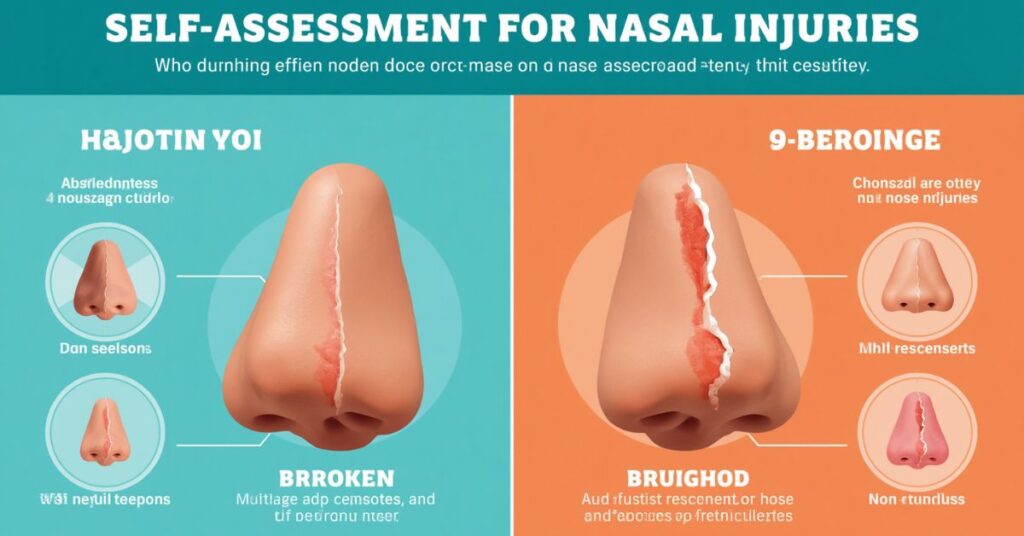
Pain level tends to be more intense and localized with a fracture, especially when the nose is touched directly, while a bruise usually causes a duller, more generalized soreness. Shape is one of the most telling differences: a bruised nose keeps its normal structure once swelling goes down, while a broken nose often shows a visible shift, bend, or asymmetry that wasn’t there before. Sound or sensation also differs a grinding or crackling feeling (crepitus) under the skin points toward a fracture, whereas a bruise won’t produce this sensation. Breathing is another clue: persistent difficulty breathing through one or both nostrils, beyond what swelling alone would cause, often suggests structural displacement rather than simple soft-tissue bruising.
That said, self-assessment has real limits. Swelling can hide a mild deformity for several days, making it impossible to judge shape accurately right after the injury. Pain tolerance also varies widely from person to person, so pain alone isn’t a reliable indicator. Because of this, “it doesn’t look that bad” isn’t a safe reason to skip medical evaluation some fractures aren’t obvious until swelling subsides, by which point the ideal treatment window may be closing.
Diagnosis Process
The process usually starts with a physical and visual examination. A doctor will look at the nose from multiple angles, checking for asymmetry, swelling patterns, and visible deformity, while also asking about how the injury occurred and when symptoms started.
Next comes palpation, where the doctor gently presses along the bridge and sides of the nose to feel for irregularities, tenderness, or crepitus. This hands-on step often provides more useful information than imaging, since it can detect subtle shifts in bone position that aren’t always visible externally. The doctor will also look inside the nostrils with a light to check for septal injury, bleeding, or signs of a hematoma.
X-rays are sometimes used but aren’t always necessary or definitive. Nasal bone X-rays can miss cartilage damage entirely and may not clearly show minor fractures, which is why many doctors rely more heavily on the physical exam than imaging alone.
For more complex cases such as suspected damage to surrounding facial bones, the eye socket, or the skull a CT scan may be ordered, since it provides a much more detailed view of both bone and soft tissue. how to know if your nose is broken
If the injury appears severe, involves the septum significantly, or shows signs of complications, the doctor may refer the patient to an ENT specialist or facial trauma surgeon for further evaluation and treatment planning.
Treatment Options
Treatment for a broken nose depends on the severity of the injury and how much time has passed since it happened.
Immediate and at-home care focuses on managing swelling and pain in the first day or two. Applying a cold compress for 20 minutes at a time helps reduce swelling, while keeping the head elevated even during sleep minimizes blood flow and pressure to the area.
For confirmed fractures, closed reduction is a common non-surgical procedure where a doctor manually realigns the displaced bone or cartilage without incisions. Timing matters here: reduction is typically most effective within the first two weeks, ideally after initial swelling goes down but before the bones begin to heal in a shifted position. Waiting too long can make realignment more difficult and less effective.
After reduction, the nose may be splinted externally, and in some cases, internal packing is used to stabilize the septum and control bleeding.
Recovery Timeline
Healing from a broken nose is a gradual process, and understanding what to expect at each stage can make recovery feel more manageable.
In the first few days, swelling and bruising are usually at their worst, often peaking around 48 hours after the injury. Pain typically starts to ease during this period, especially with consistent use of cold compresses and head elevation.
Over the second week, visible bruising largely resolves, and the nose starts to look closer to its normal shape, especially if realignment was done. Mild tenderness may still linger, particularly with direct contact.
By three to four weeks, most people can resume normal daily activities, though the underlying bone is still healing and remains vulnerable to re-injury. Doctors often advise avoiding contact sports, heavy exercise, and situations with a risk of facial impact during this period.
Throughout recovery, follow-up appointments allow the doctor to confirm proper healing, check breathing function, and address any lingering asymmetry or complications before considering the case fully resolved.
Potential Complications if Untreated
Leaving a broken nose without proper evaluation or treatment can lead to problems that extend well beyond the initial injury.
Chronic breathing problems are among the most common long-term issues. If the fracture heals in a misaligned position, it can permanently narrow the nasal passages, making it harder to breathe through the nose, especially during exercise or sleep.
Permanent deformity is another significant risk. Once a displaced fracture heals without correction, the bone and cartilage set into their new position, and reversing this later usually requires surgery rather than simple realignment.
Recurring sinus infections are a common downstream effect of untreated structural problems.
Perhaps the most serious complication involves an untreated septal hematoma This can cause the cartilage to die and collapse, resulting in a “saddle nose” deformity a sunken appearance to the bridge of the nose that is difficult to correct and often requires reconstructive surgery.
These risks are a key reason doctors emphasize timely evaluation, even when an injury doesn’t seem severe at first glance.
Prevention Tips
Protective gear for sports is one of the most effective preventive measures. Helmets with face guards, especially in hockey, football, and lacrosse, help shield the face from direct impact. In sports like boxing and martial arts, properly fitted headgear reduces the severity of blows to the nose, even if it can’t eliminate risk entirely. Athletes in basketball and soccer, where facial contact is common but gear is less standard, can benefit from being mindful of positioning during high-contact plays.
Seatbelt and vehicle safety practices play a major role in preventing facial injuries during car accidents. Wearing a seatbelt properly, ensuring airbags are functioning, and maintaining a safe following distance all reduce the chances of the face striking the steering wheel or dashboard during a collision.
General injury prevention in everyday life also matters. This includes using handrails on stairs, wearing appropriate footwear to prevent slips, keeping walkways clear of clutter, and installing grab bars or non-slip mats in bathrooms particularly important for older adults at higher risk of falls. For young children, childproofing furniture edges and supervising play near hard surfaces can reduce fall-related facial injuries.
Being aware of one’s surroundings in situations with a risk of physical altercation, and de-escalating or removing oneself from potentially violent situations when possible, is another practical way to avoid one of the more common causes of nasal trauma.
When to Follow Up After Initial Treatment
Even after initial treatment, ongoing monitoring is an important part of a full recovery, since some complications only become apparent as healing progresses.
Warning signs during healing should prompt a follow-up visit before the next scheduled appointment. These include increasing pain instead of gradual improvement, new or worsening swelling after the first week, fever, unusual discharge or a foul smell from the nose, or any sudden difficulty breathing. Persistent numbness, worsening asymmetry, or the splint or packing shifting out of place are also reasons to contact a doctor promptly rather than waiting.
Long-term monitoring typically involves at least one follow-up appointment within the first one to two weeks to assess how the fracture is healing and whether the nose is settling into proper alignment. For patients who underwent closed reduction, a doctor will usually check the fit and stability of any splint, and confirm the nose hasn’t shifted since the procedure.
In cases involving surgical repair or significant septal injury, follow-up care may extend over several months, with additional check-ins to monitor scar tissue, breathing, and overall structural stability.
Conclusion
A broken nose can range from a straightforward injury that heals on its own to a more complex fracture requiring medical intervention and the difference often comes down to paying attention to the right signs at the right time. Persistent pain, visible deformity, breathing difficulty, or a grinding sensation are all signals worth taking seriously, while red flags like uncontrolled bleeding, clear fluid drainage, or concussion symptoms call for immediate emergency care.
Because the treatment window for realignment is typically most effective within the first one to two weeks, delaying evaluation even when an injury doesn’t look severe can mean missing the easiest opportunity for correction. Left unaddressed, nasal fractures carry real risks: chronic breathing problems, permanent deformity, recurring sinus issues, and in the case of an untreated septal hematoma, lasting cartilage damage.
The safest approach after any significant facial impact is simple: don’t rely on guesswork. A prompt evaluation from a healthcare provider offers clarity, protects against complications, and gives the nose the best chance to heal properly, both structurally and functionally.
This article is for informational purposes only and isn’t a substitute for professional medical advice. If you’re experiencing a facial injury, consult a healthcare provider.