how to stop throbbing pain after root canal, Some soreness after a root canal is completely normal but when that soreness turns into a deep, persistent throb, it’s natural to worry something went wrong. A root canal removes the infected or inflamed nerve inside the tooth, so the tooth itself shouldn’t hurt the way it used to. Still, the surrounding gum, ligament, and bone tissue were disturbed during the procedure, and that irritation can cause real discomfort as it heals.
For most people, this throbbing pain is temporary and manageable with the right at-home care. But in some cases, it can signal a bite that’s slightly off, lingering inflammation, or even an infection that needs a dentist’s attention.
This article breaks down why throbbing pain happens after a root canal, how to relieve it safely at home, and most importantly how to tell the difference between normal healing and a sign that something needs professional care.
Why Does a Tooth Throb After a Root Canal?
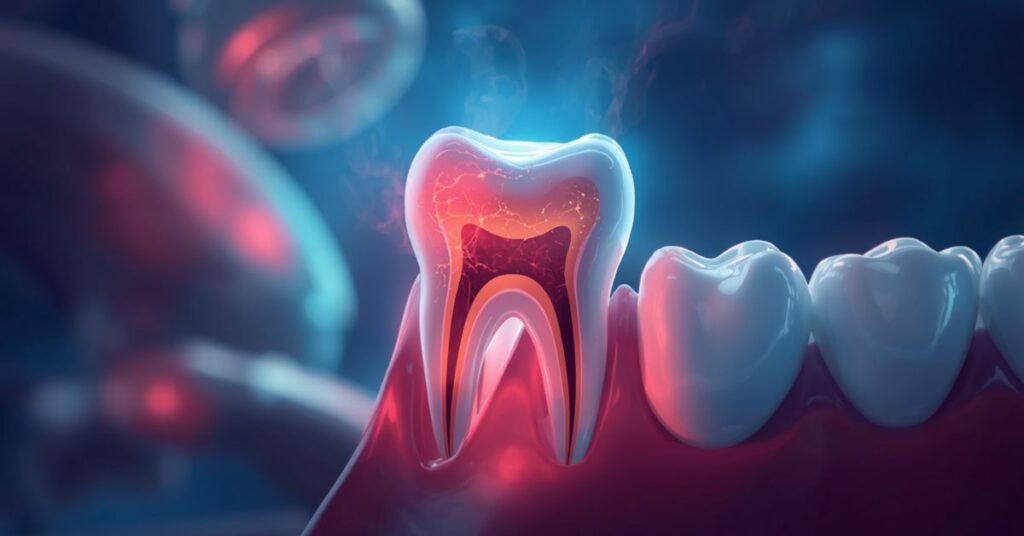
It might seem confusing that a tooth can still throb after its nerve has been removed, but the pain you feel usually isn’t coming from inside the tooth anymore it’s coming from the tissue around it.
Inflammation of the surrounding tissue is the most common cause. During the procedure, the ligament that holds the tooth in place (the periodontal ligament) gets irritated from the cleaning and shaping of the root canals. This tissue is full of nerve endings, and as it heals, it can produce a dull, throbbing ache similar to a bruise.
Pressure from the procedure itself also plays a role. Instruments used to clean out infected material can push slightly beyond the root tip, causing temporary irritation in the bone surrounding the tooth, even when the procedure goes smoothly.
Sinus involvement is a lesser-known factor, especially for root canals performed on upper back teeth. The roots of these teeth sit close to the sinus cavities, so inflammation can sometimes radiate into the sinus area, creating a throbbing sensation that feels tooth-related but is partly sinus pressure.
Bite misalignment is another frequent cause. If the temporary or permanent filling sits even slightly too high, it can create excess pressure every time you bite down, leading to a throbbing ache that worsens with chewing.
Understanding which of these is behind your pain can help determine whether home care is enough or whether a quick visit to your dentist is needed. how to stop throbbing pain after root canal
Normal vs. Concerning Pain
Not all post-root canal pain means something is wrong but knowing what’s expected versus what’s not can save you unnecessary worry or a delayed trip to the dentist.
Expected timeline: Mild to moderate soreness is normal for the first two to five days after treatment. This typically feels like a dull ache or tenderness when chewing, similar to the discomfort after a filling. Throbbing can occur, especially in the first 24 to 48 hours, but it should gradually improve each day rather than staying the same or getting worse.
What normal throbbing feels like: It’s usually manageable with over-the-counter pain relievers, tends to ease with rest, and doesn’t come with swelling, fever, or a bad taste in the mouth. Pain that flares briefly when biting down but settles quickly is also common, especially if the bite hasn’t been adjusted yet.
Red flags to watch for: Pain that intensifies after day three or four, rather than improving, is a signal worth paying attention to. Throbbing that disrupts sleep, feels sharp rather than dull, or is accompanied by visible swelling in the face or gums points toward a problem beyond normal healing. how to stop throbbing pain after root canal
Using a pain scale can help you track progress. If your pain sits around a 2–4 out of 10 and trends downward daily, that’s typically normal healing. Pain consistently rated 6 or higher, or pain that spikes suddenly after initially improving, is a stronger indicator that something needs professional evaluation.
Immediate At-Home Relief Methods
If your pain falls within the normal range, several at-home strategies can help manage the throbbing while your tooth heals.
Over-the-counter pain relievers are usually the first line of defense. NSAIDs like ibuprofen are often more effective for dental pain because they target inflammation directly, not just pain signals. Acetaminophen can be used alongside NSAIDs (not as a substitute) for added relief, since the two work through different mechanisms. Alternating between them every few hours, as directed on packaging or by your dentist, often provides better control than either one alone.
Cold compress technique can reduce swelling and numb throbbing sensations. Apply a cold pack wrapped in a cloth to the outside of your cheek near the treated tooth for 15–20 minutes at a time, allowing breaks in between to avoid skin irritation.
Salt water rinses help keep the area clean and reduce mild inflammation. Dissolving about half a teaspoon of salt in warm water and gently rinsing a few times a day can ease discomfort without irritating the healing tissue.
Elevating your head while sleeping using an extra pillow helps reduce blood flow and pressure to the area, which can noticeably lessen nighttime throbbing. how to stop throbbing pain after root canal
Avoiding chewing on the treated side gives the tooth and surrounding tissue time to heal without added pressure, reducing both pain and the risk of damaging the temporary filling before your follow-up appointment.
What NOT to Do
Just as certain habits can speed up healing, others can slow it down or make throbbing pain worse.
Avoid very hot or cold foods and drinks. The tooth and surrounding tissue are still sensitive after treatment, and extreme temperatures can trigger sharp discomfort or intensify throbbing, even though the nerve inside the tooth has been removed. Lukewarm foods and drinks are a safer choice in the first few days.
Don’t chew hard or crunchy foods too soon. Nuts, ice, hard candy, or crusty bread can put excess pressure on a tooth that’s still settling in, especially if it only has a temporary filling. This increases the risk of cracking the tooth or dislodging the filling, which can lead to reinfection or more serious complications.
Avoid aspirin if you’re prone to bleeding or bruising. Aspirin thins the blood and can increase bleeding or swelling at the treatment site. Unless your dentist specifically recommends it, ibuprofen or acetaminophen are generally safer choices for pain relief after a root canal.
Don’t skip prescribed antibiotics, if they were given. Even if your pain improves, stopping antibiotics early can allow any remaining infection to persist or return, sometimes in a more stubborn form. Always complete the full course exactly as prescribed, even after symptoms fade.
Following these precautions helps protect the tooth during a vulnerable healing period and reduces the chances of complications requiring further treatment.
When the Bite Feels “High” A Common Cause
One of the most overlooked reasons for throbbing pain after a root canal isn’t infection or inflammation at all it’s a bite that’s sitting slightly too high.
Why this happens: After a root canal, your tooth is typically restored with a temporary filling, and later a permanent crown or filling. If this restoration is built up even fractionally higher than the surrounding teeth, it becomes the first point of contact every time you bite or chew. Because the tooth and its ligament are still healing and sensitive, this extra pressure even if barely noticeable to you can translate into a strong, throbbing ache. how to stop throbbing pain after root canal
Why it causes throbbing specifically: Unlike constant background soreness, bite-related pain often has a distinct pattern: it flares sharply when you bite down or chew, and eases when your teeth aren’t in contact. Many people describe it as a deep, pulsing pressure that worsens with eating and improves with rest, which can easily be mistaken for a sign of infection.
The quick fix: This is one of the easiest post-root canal problems to resolve. A dentist can identify a high bite in minutes using articulating paper (a thin colored strip you bite on) to spot exactly where the contact is uneven, then gently adjust the filling or crown with a dental drill. The relief is often immediate many patients notice the throbbing disappear within a day of the adjustment.
If your pain seems tied to chewing or biting down, mentioning this to your dentist can lead to a fast, simple resolution.
Red Flags When to Call Your Dentist Immediately
While mild throbbing is often just part of normal healing, certain symptoms mean it’s time to contact your dentist right away rather than waiting it out.
Severe or worsening pain after day three or four is one of the clearest warning signs. Post-procedure discomfort is expected to gradually improve each day pain that intensifies instead, or suddenly spikes after initially getting better, often points to a developing infection or complication rather than normal healing.
Swelling of the face or gums is not a typical part of root canal recovery. Mild puffiness immediately after the procedure can happen, but swelling that increases over time, spreads toward the jaw or eye, or feels firm to the touch needs prompt evaluation.
Fever accompanying tooth pain is a strong indicator that the body may be fighting an infection, and this combination should not be managed with home remedies alone.
Pus or a persistent bad taste in the mouth near the treated tooth suggests an active infection that requires professional treatment, often including antibiotics or further dental intervention.
Pain that wakes you up at night or is severe enough to disrupt sleep is generally more serious than typical post-procedure soreness, which tends to be manageable and predictable rather than sudden or intense.
If you notice any of these signs, it’s best to call your dentist the same day rather than waiting for your scheduled follow-up, since early intervention often prevents more invasive treatment later.
Possible Complications
While most root canals heal without issue, understanding potential complications helps explain why persistent or worsening pain shouldn’t be ignored.
Reinfection can occur if bacteria remain in the tooth’s canal system or find their way back in, sometimes due to a delay in placing the permanent crown or a crack in the temporary filling. This can cause pain to return weeks or even months after the original procedure seemed successful.
A cracked tooth is a notable risk, since root canal-treated teeth can become more brittle over time without their blood supply. Biting down on something hard, especially before a permanent crown is placed, can cause a fracture that leads to renewed throbbing pain and may require extraction if the crack extends below the gumline.
A missed canal is a less common but important complication, particularly in teeth with complex root systems (like molars, which can have three or four canals instead of one). If a canal is overlooked during the original procedure, infected tissue can remain inside the tooth, leading to persistent or recurring pain that doesn’t fully resolve.
The need for retreatment or extraction becomes a possibility when initial treatment doesn’t fully resolve the infection or when complications like cracks or missed canals arise. Retreatment involves reopening the tooth to clean and reseal the canals, while extraction may be considered if the tooth can’t be saved. how to stop throbbing pain after root canal
These complications are relatively uncommon, but they’re the reason dentists emphasize following up on unresolved or worsening pain rather than assuming it will pass on its own.
Prevention Tips for Future Procedures
While complications after a root canal aren’t always avoidable, a few proactive steps can significantly lower the risk of problems and reduce recovery discomfort.
Choosing an experienced endodontist makes a meaningful difference, especially for teeth with complex root systems like molars. Endodontists specialize specifically in root canal treatment and are more likely to identify additional canals, navigate curved roots accurately, and minimize tissue irritation during the procedure all of which can reduce post-treatment throbbing and complications.
Following aftercare instructions closely is one of the simplest ways to support healing. This includes avoiding hard or chewy foods on the treated side, taking prescribed medications as directed, and sticking to recommended oral hygiene practices, even when the tooth feels fine. Skipping these steps, even briefly, increases the risk of reinfection or damage to a temporary filling.
Getting the permanent crown placed on schedule is especially important. Temporary fillings aren’t designed for long-term use they’re more prone to cracking, wearing down, or allowing bacteria to seep back into the tooth. Delaying the permanent restoration increases the risk of reinfection, a high bite going uncorrected, or the tooth fracturing under everyday chewing pressure.
Taking these precautions doesn’t just prevent complications it also tends to shorten the overall healing period, making the throbbing and sensitivity common after a root canal resolve more quickly and predictably.
Conclusion
Throbbing pain after a root canal can be unsettling, but in most cases, it’s a normal part of the healing process rather than a sign that something went wrong. Inflammation of the surrounding tissue, minor pressure from the procedure, or a slightly high bite are common, treatable causes and simple steps like cold compresses, appropriate pain relievers, and avoiding hard foods on the treated side can make a real difference while your tooth recovers.
That said, pain that worsens instead of improving, comes with swelling or fever, or disrupts your sleep is not something to wait out. These signs can point to infection, a cracked tooth, or other complications that need prompt attention from your dentist.
The most important takeaway is simple: mild, gradually improving discomfort is expected, but pain that moves in the wrong direction deserves a phone call, not a guessing game. Staying attentive during the healing period and following up on your permanent crown as scheduled gives your tooth the best chance at a smooth, complication-free recovery.
This article is for informational purposes only and isn’t a substitute for professional dental advice. If you’re experiencing severe or worsening pain after a root canal, contact your dentist.